
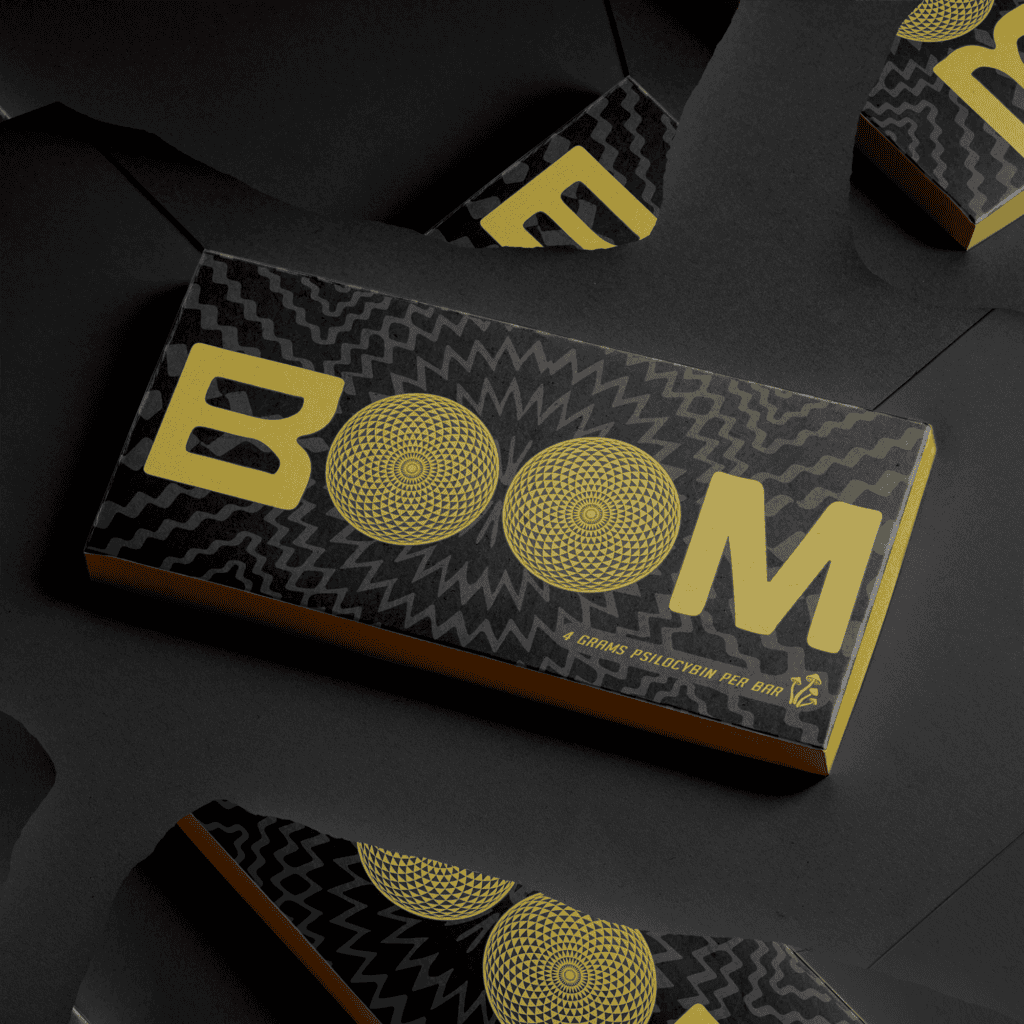
Functional mushroom bites have quickly become a popular choice in the modern wellness space. Designed to combine convenience with botanical innovation, these products offer an alternative to traditional capsules and powders. However, behind their appealing flavors and compact format lies a carefully structured blend of ingredients.
Understanding what goes into functional mushroom bites is essential for consumers who prioritize transparency, quality, and effectiveness. From mushroom extracts to natural binders and flavor enhancers, each component plays a specific role in shaping the final product.
The Core Component: Functional Mushroom Extracts
At the heart of every mushroom bite is its primary active ingredient—functional mushroom extract. Unlike raw powdered mushrooms, high-quality products often rely on concentrated extracts to maximize bioactive compound availability.
Why Extracts Matter
Mushroom extracts are typically processed using hot water or dual-extraction methods. This process helps isolate beneficial compounds such as:
- Beta-glucans
- Polysaccharides
- Triterpenes
- Antioxidants
Extraction improves consistency and ensures that each serving delivers standardized potency.
Common Functional Mushroom Varieties
Different species are selected based on their traditional wellness associations:
- Lion’s Mane – Often linked to cognitive clarity and focus
- Reishi – Commonly associated with stress balance
- Cordyceps – Popular for energy support
- Chaga – Known for antioxidant properties
- Turkey Tail – Frequently connected to immune health
In blends such as the boom bites functional mushroom formula, multiple species may be combined to create a balanced profile targeting various aspects of well-being.
Supporting Ingredients: Enhancing Stability and Taste
Functional mushroom extracts have naturally earthy flavors. To create a palatable product, manufacturers carefully integrate complementary ingredients.
Natural Sweeteners
Many mushroom bites use:
- Organic cane sugar
- Tapioca syrup
- Honey
- Monk fruit extract
These sweeteners improve taste while maintaining a clean-label appeal.
Plant-Based Binders
Binders give mushroom bites their chewable structure. Common options include:
- Pectin (fruit-derived gelling agent)
- Agar-agar
- Tapioca starch
Pectin is especially popular because it supports vegan-friendly formulations and creates a smooth texture.
Functional Additions Beyond Mushrooms
To enhance product versatility, some brands include complementary wellness ingredients alongside mushroom extracts.
Adaptogenic Herbs
Ingredients such as ashwagandha or rhodiola may be added to strengthen stress-support positioning.
Nootropic Compounds
Natural compounds like L-theanine or plant-based caffeine can be included to promote focus and balanced energy.
Vitamins and Minerals
Certain formulations incorporate vitamins B12, D3, or zinc to broaden nutritional support.
While mushrooms remain the primary focus, these additions help create a more comprehensive wellness profile.
Flavor Systems and Natural Enhancers
Taste is a major factor influencing consumer adoption. Manufacturers invest significant effort into developing flavor profiles that complement mushroom extracts.
Natural Flavor Sources
Fruit concentrates, cocoa, vanilla, and botanical extracts are frequently used to mask bitterness and create enjoyable flavor layers.
Chocolate-based versions are particularly popular, as cocoa’s richness blends well with earthy mushroom notes. Brands showcased on platforms like theboom.bar often highlight both functional benefits and gourmet presentation.
Quality Control and Ingredient Transparency
Ingredient quality significantly impacts product credibility. Responsible manufacturers prioritize transparency in sourcing and testing.
What to Look For on Labels
Consumers should check for:
- Standardized extract ratios
- Clearly listed mushroom species
- Third-party testing certifications
- Absence of artificial dyes or synthetic additives
Clean-label formulations are increasingly important in the wellness sector.
Beta-Glucan Standardization
One key indicator of extract quality is beta-glucan concentration. Products that disclose this information provide greater assurance of active compound content.
Manufacturing Considerations
Functional mushroom bites must be produced under controlled conditions to ensure consistency.
Controlled Dosing
Each bite should deliver a predictable amount of active extract. Precise measurement ensures reliable daily intake.
Moisture Control
Maintaining appropriate moisture levels prevents spoilage and preserves texture. Proper packaging—often airtight and light-resistant—helps extend shelf life.
Consumer Education and Informed Choices
As mushroom-based products gain popularity, consumer awareness continues to grow. Understanding ingredient lists empowers buyers to distinguish between high-quality formulations and lower-grade alternatives.
Important evaluation criteria include:
- Extract vs. raw powder usage
- Transparency in mushroom sourcing
- Clean-label commitments
- Balanced ingredient combinations
Making informed decisions ensures both satisfaction and safety.
The Science and Tradition Behind the Trend
Functional mushrooms have been used for centuries in traditional wellness systems. Modern product innovation bridges ancient botanical knowledge with contemporary food science.
By combining concentrated extracts, natural binders, and carefully selected complementary ingredients, manufacturers create snackable products that align with today’s health-conscious lifestyles.
The increasing demand for multifunctional foods suggests that mushroom bites will remain a growing category within the broader functional nutrition market.
Conclusion
Functional mushroom bites represent a thoughtful blend of botanical science and culinary design. From standardized mushroom extracts to plant-based binders and natural flavor systems, each ingredient serves a clear purpose in delivering both taste and wellness potential.
As consumers become more ingredient-conscious, transparency and quality sourcing will continue to define leading brands. Understanding the components behind these products allows buyers to choose formulations that align with their health goals and lifestyle preferences.
With innovation continuing across the functional food industry, mushroom-based bites are well-positioned to remain a prominent feature of modern wellness routines.